
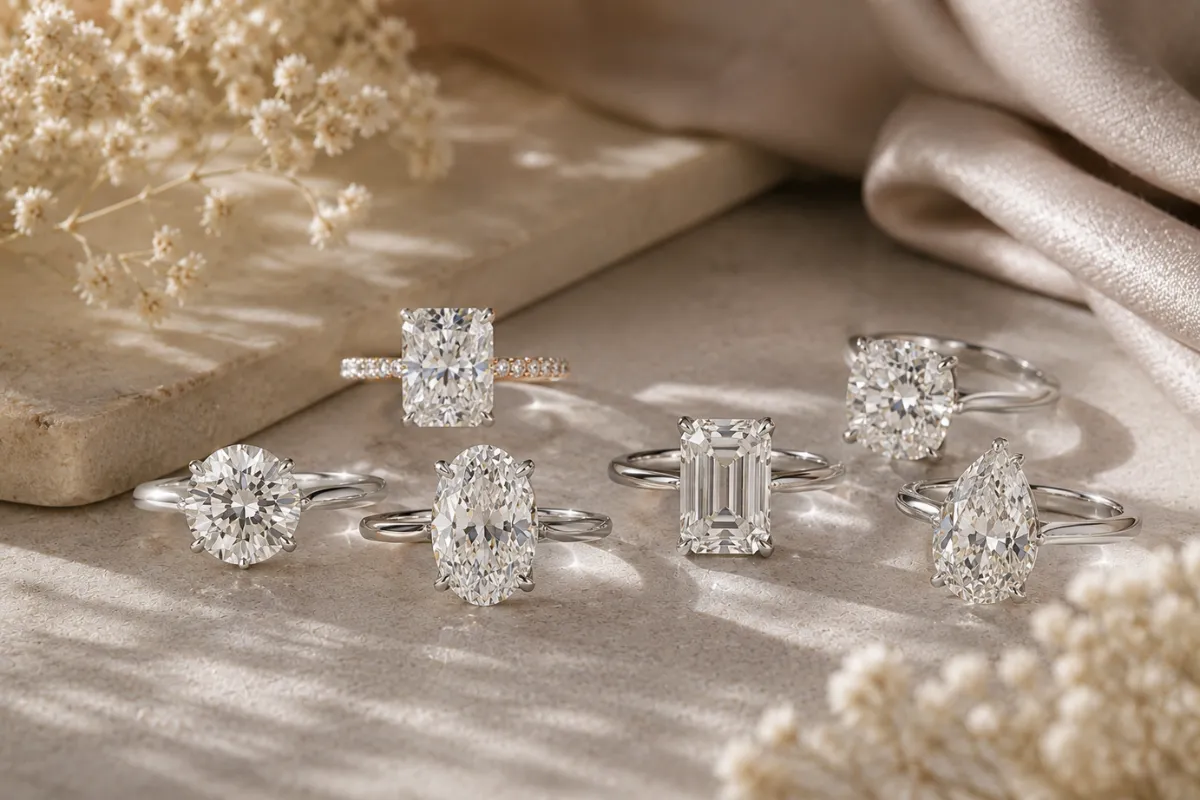
Choosing an engagement ring often begins with one important question: which diamond shape feels right for you? While the Round Brilliant remains a timeless favorite, oval, emerald, cushion, radiant, pear and other shapes each bring their own character to an engagement ring.
At DeScenza Diamonds, we believe diamond education is an important part of choosing a ring with confidence. With more than a century of experience, our diamond specialists have helped generations of customers understand the qualities that make every diamond unique. Shape is one of those qualities, influencing everything from the overall style of the ring to how large the diamond appears on the hand.
It is also important to understand that diamond shape and diamond cut are not exactly the same thing. Shape describes the physical outline of a diamond, such as round, oval, cushion or emerald. Cut refers to how effectively the facets interact with light and is one of the Four Cs used to evaluate diamonds, along with color, clarity and carat weight.
Understanding the differences among popular diamond shapes can make it easier to narrow your choices and find the combination of beauty, proportion and style you want in an engagement ring.
Round Brilliant Diamonds
The Round Brilliant is the classic choice for someone who wants exceptional sparkle and a shape that works beautifully with many different engagement ring styles. Its symmetrical faceting is designed to maximize light return, resulting in the brilliance and fire that have made this shape an enduring favorite.
The modern Round Brilliant features 58 facets designed to optimize light reflection and refraction. Because of its strong light performance, it can also make certain inclusions and subtle differences in color less noticeable than they may be in some other diamond shapes.
Another advantage of the Round Brilliant is versatility. A round center diamond can complement a traditional solitaire, a halo design, a diamond accented band or a three stone engagement ring without losing the classic appearance associated with the shape.
Round diamonds are also the only shape for which the Gemological Institute of America provides an official overall cut grade. This gives shoppers another standardized quality factor to consider when comparing individual stones.
For someone who values classic proportions, significant sparkle and a diamond shape that can transition easily between traditional and contemporary settings, the Round Brilliant remains an excellent place to begin.
An oval diamond shares some of the brilliant sparkle associated with a round diamond while creating a noticeably different appearance on the hand. Its elongated silhouette gives the stone graceful proportions and can create a lengthening effect on the finger.
One of the reasons oval diamonds appeal to many engagement ring shoppers is their visual presence. Elongated shapes distribute their carat weight across a greater face up area, which can allow an oval diamond to appear larger than a round diamond of equal carat weight. Because carat measures weight rather than visible dimensions, two diamonds with the same carat weight can look quite different once they are set in a ring.
Proportion also plays an important role in the appearance of an oval. The relationship between its length and width determines whether the diamond has a fuller or more elongated silhouette. There is no single proportion that is right for everyone, which is why comparing individual diamonds can be particularly helpful.
Oval diamonds may also display what is known as a bowtie effect. This appears as a darker area extending across the center of the diamond when light is not reflected evenly. The visibility of the bowtie varies from stone to stone, making an in person comparison valuable when choosing an oval diamond.
With its combination of brilliant faceting, soft curves and an elongated profile, the oval is well suited to shoppers who want something distinct from a traditional round while maintaining plenty of sparkle.
Emerald cut diamonds create a very different impression from Round Brilliant and oval diamonds. Rather than emphasizing intense sparkle, an emerald cut is known for its rectangular silhouette, step cut facets and long, clean lines.
The parallel facets of an emerald cut create the distinctive visual effect commonly described as a hall of mirrors. Instead of the smaller flashes associated with brilliant cuts, the eye sees broad, dramatic flashes of light that give the diamond a refined and architectural appearance.
The open nature of an emerald cut also places greater emphasis on the clarity and color of the diamond. Its larger facets can make characteristics within the stone easier to see than they might be in a brilliant cut diamond. As a result, clarity can become an especially important consideration when comparing emerald cut diamonds.
Like an oval, the elongated proportions of an emerald cut can also give the diamond a larger visual presence and create a lengthening effect on the finger. Its geometric lines can work particularly well in a minimalist solitaire or a setting that complements its structured appearance.
For someone drawn to understated sophistication rather than maximum sparkle, the emerald cut offers a distinctive alternative to brilliant diamond shapes.
Cushion Cut Diamonds
Cushion cut diamonds combine a square or rectangular outline with rounded corners, creating the soft silhouette that gives this shape its pillow like appearance. With roots that reach back more than a century, the cushion cut is particularly appealing to shoppers who appreciate vintage inspired design.
The appearance of cushion diamonds can vary significantly depending on their proportions and faceting. Some display broader flashes of light, while others can have a more contemporary visual texture. This variety gives shoppers the opportunity to compare cushion diamonds and choose the particular appearance that speaks to them.
Cushion cuts can also range from squarer proportions to noticeably elongated shapes. That flexibility makes the cushion a versatile choice for engagement rings and allows the center diamond to take on a very different character depending on the stone selected.
For someone who wants a diamond with soft edges, romantic character and brilliant light performance, the cushion cut offers a balance between traditional influence and contemporary appeal.
The radiant cut brings together a geometric outline and brilliant faceting. Typically square or rectangular with trimmed corners, this diamond shape offers strong sparkle while maintaining the crisp profile many shoppers appreciate in emerald and other rectangular shapes.
Those trimmed corners are more than an aesthetic detail. They can also make the shape less vulnerable at its edges than diamonds with sharp, pointed corners. This combination of brilliance and practicality can make the radiant cut appealing to someone who wants a distinctive center stone suited to regular wear.
Radiant diamonds can also vary in their length to width proportions. A more square radiant creates a compact geometric appearance, while an elongated radiant provides a longer silhouette on the hand.
For shoppers attracted to the shape of an emerald cut but who prefer more pronounced sparkle, the radiant is an option worth comparing.
Pear and marquise diamonds are two additional elongated shapes that can provide considerable visual impact.
A pear shaped diamond combines a rounded end with a tapered point, creating a silhouette that incorporates qualities of both round and marquise shapes. Its brilliant faceting gives it sparkle, while the asymmetrical outline adds distinctive character to an engagement ring.
The marquise is elongated with pointed ends and is particularly effective at creating the appearance of greater size. Its proportions also create a lengthening effect when worn on the finger.
Because both shapes include pointed areas, the engagement ring setting becomes an important consideration. Proper prong placement can help protect these more delicate points during everyday wear while allowing the diamond's shape to remain prominent.
Both pear and marquise diamonds can be appealing choices for someone looking for a center stone that feels less traditional while still providing brilliant light performance.
For shoppers who prefer square shapes, princess and Asscher cut diamonds provide two very different interpretations.
The princess cut has sharp corners and brilliant style faceting, resulting in considerable sparkle within a contemporary geometric shape. It can work in both solitaire and multi stone settings and offers an alternative for someone who likes the brilliance associated with round diamonds but prefers straighter lines.
An Asscher cut, by comparison, uses step cut faceting and has a vintage influenced appearance. It shares some visual characteristics with an emerald cut but presents them in a squarer profile. Rather than producing the intense sparkle of a princess cut, an Asscher emphasizes symmetry, clarity and broad flashes of light.
Comparing these two shapes demonstrates why the outline of a diamond tells only part of its story. Two square diamonds can create entirely different impressions because of the way their facets are arranged.
How Diamond Shape Affects Appearance
Carat weight is one of the Four Cs of diamond quality, but it is important to remember that carat describes a diamond's weight rather than its visible size. Shape and proportion affect how that weight is distributed and, as a result, how large the diamond looks when viewed from above.
Elongated diamonds such as oval, pear and marquise shapes tend to provide greater visible surface area than a round diamond of the same carat weight. Emerald and elongated radiant cuts can also create a substantial presence on the hand because of their proportions.
Length to width ratio is another factor to consider with fancy shaped diamonds. A longer ratio creates a more elongated silhouette, while a shorter ratio creates a fuller shape. Personal preference matters here, and comparing stones side by side can help you see how seemingly small differences in proportion affect the overall appearance.
Shape can influence price as well. Cutting a Round Brilliant requires the removal of a significant portion of the original rough diamond. Fancy shapes can retain more of that rough material, which can sometimes allow shoppers to achieve a larger looking diamond at a different price point than a comparable round.
One useful way to narrow your choices is to consider whether you prefer the appearance of a brilliant cut or a step cut.
Round, oval, pear, cushion, princess and radiant diamonds use faceting designed to create significant brilliance and light play. These shapes are well suited to someone who places sparkle high on their list of priorities.
Emerald and Asscher cuts create a different effect. Their larger, parallel step facets emphasize clean lines, transparency and broad flashes of light. Because the internal characteristics of the diamond can be easier to see, clarity and color deserve careful consideration when selecting these shapes.
Neither approach is inherently better. They simply create different visual effects. Seeing the two styles next to each other can quickly reveal whether you are more drawn to lively brilliance or the structured appearance of step cut facets.
Diamond shape and setting should be considered together. The setting influences the overall look of the engagement ring, but it also helps protect and secure the center stone.
Round and cushion diamonds offer soft outlines that work with a wide variety of settings. Elongated shapes such as oval and emerald can become the focal point of a classic solitaire or pair beautifully with additional diamonds. Radiant cuts provide trimmed corners, while pear, marquise and princess diamonds have points or corners that require thoughtful protection.
At DeScenza Diamonds, our engagement ring selection includes a variety of styles for couples looking for a setting that complements their preferred diamond shape. We also offer custom jewelry design for those who have a particular combination of diamond and setting in mind.
Shape may be one of the first characteristics you notice, but it is only one part of choosing a diamond. The Four Cs of cut, color, clarity and carat weight provide the foundation for assessing diamond quality and value.
Cut describes how a diamond's facets interact with light and has an important influence on brilliance. Color evaluates the presence or absence of color within a diamond, while clarity considers internal inclusions and external blemishes. Carat weight measures the diamond's weight.
These characteristics work together rather than independently. If visible size is a priority, for example, choosing an elongated shape may allow you to approach carat weight differently. If you prefer an emerald or Asscher cut, clarity may become particularly noticeable because of the open step facets.
Our diamond specialists enjoy helping customers understand these differences so they can decide which characteristics matter most to them rather than simply focusing on a single grade or number.
Ultimately, there is no single diamond shape that is right for every engagement ring. A Round Brilliant may appeal to someone who loves timeless sparkle, while an oval offers brilliant faceting with an elongated silhouette. Emerald and Asscher cuts provide clean lines and broad flashes of light, cushion cuts bring softer vintage influenced character, and radiant, pear, marquise and princess diamonds offer their own distinctive combinations of shape and brilliance.
The best way to choose is to consider the appearance you are drawn to, how you plan to wear your ring and how shape works alongside the Four Cs, your setting and your budget. At DeScenza Diamonds, we believe choosing a diamond should be an educational and personal process. Visit us in Boston, Framingham, Hingham or Peabody to compare diamond shapes in person, speak with one of our diamond specialists and find the engagement ring that feels right for you.
At DeScenza Diamonds, we believe diamond education is an important part of choosing a ring with confidence. With more than a century of experience, our diamond specialists have helped generations of customers understand the qualities that make every diamond unique. Shape is one of those qualities, influencing everything from the overall style of the ring to how large the diamond appears on the hand.
It is also important to understand that diamond shape and diamond cut are not exactly the same thing. Shape describes the physical outline of a diamond, such as round, oval, cushion or emerald. Cut refers to how effectively the facets interact with light and is one of the Four Cs used to evaluate diamonds, along with color, clarity and carat weight.
Understanding the differences among popular diamond shapes can make it easier to narrow your choices and find the combination of beauty, proportion and style you want in an engagement ring.
Round Brilliant Diamonds 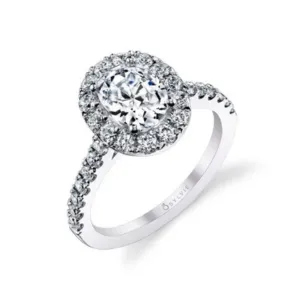
The Round Brilliant is the classic choice for someone who wants exceptional sparkle and a shape that works beautifully with many different engagement ring styles. Its symmetrical faceting is designed to maximize light return, resulting in the brilliance and fire that have made this shape an enduring favorite.
The modern Round Brilliant features 58 facets designed to optimize light reflection and refraction. Because of its strong light performance, it can also make certain inclusions and subtle differences in color less noticeable than they may be in some other diamond shapes.
Another advantage of the Round Brilliant is versatility. A round center diamond can complement a traditional solitaire, a halo design, a diamond accented band or a three stone engagement ring without losing the classic appearance associated with the shape.
Round diamonds are also the only shape for which the Gemological Institute of America provides an official overall cut grade. This gives shoppers another standardized quality factor to consider when comparing individual stones.
For someone who values classic proportions, significant sparkle and a diamond shape that can transition easily between traditional and contemporary settings, the Round Brilliant remains an excellent place to begin.
Oval Cut Diamonds
An oval diamond shares some of the brilliant sparkle associated with a round diamond while creating a noticeably different appearance on the hand. Its elongated silhouette gives the stone graceful proportions and can create a lengthening effect on the finger.
One of the reasons oval diamonds appeal to many engagement ring shoppers is their visual presence. Elongated shapes distribute their carat weight across a greater face up area, which can allow an oval diamond to appear larger than a round diamond of equal carat weight. Because carat measures weight rather than visible dimensions, two diamonds with the same carat weight can look quite different once they are set in a ring.
Proportion also plays an important role in the appearance of an oval. The relationship between its length and width determines whether the diamond has a fuller or more elongated silhouette. There is no single proportion that is right for everyone, which is why comparing individual diamonds can be particularly helpful.
Oval diamonds may also display what is known as a bowtie effect. This appears as a darker area extending across the center of the diamond when light is not reflected evenly. The visibility of the bowtie varies from stone to stone, making an in person comparison valuable when choosing an oval diamond.
With its combination of brilliant faceting, soft curves and an elongated profile, the oval is well suited to shoppers who want something distinct from a traditional round while maintaining plenty of sparkle.
Emerald Cut Diamonds
Emerald cut diamonds create a very different impression from Round Brilliant and oval diamonds. Rather than emphasizing intense sparkle, an emerald cut is known for its rectangular silhouette, step cut facets and long, clean lines.
The parallel facets of an emerald cut create the distinctive visual effect commonly described as a hall of mirrors. Instead of the smaller flashes associated with brilliant cuts, the eye sees broad, dramatic flashes of light that give the diamond a refined and architectural appearance.
The open nature of an emerald cut also places greater emphasis on the clarity and color of the diamond. Its larger facets can make characteristics within the stone easier to see than they might be in a brilliant cut diamond. As a result, clarity can become an especially important consideration when comparing emerald cut diamonds.
Like an oval, the elongated proportions of an emerald cut can also give the diamond a larger visual presence and create a lengthening effect on the finger. Its geometric lines can work particularly well in a minimalist solitaire or a setting that complements its structured appearance.
For someone drawn to understated sophistication rather than maximum sparkle, the emerald cut offers a distinctive alternative to brilliant diamond shapes.
Cushion Cut Diamonds 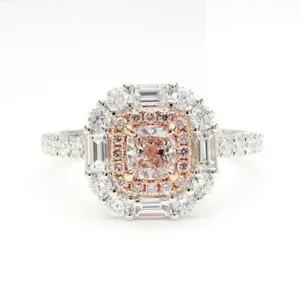
Cushion cut diamonds combine a square or rectangular outline with rounded corners, creating the soft silhouette that gives this shape its pillow like appearance. With roots that reach back more than a century, the cushion cut is particularly appealing to shoppers who appreciate vintage inspired design.
The appearance of cushion diamonds can vary significantly depending on their proportions and faceting. Some display broader flashes of light, while others can have a more contemporary visual texture. This variety gives shoppers the opportunity to compare cushion diamonds and choose the particular appearance that speaks to them.
Cushion cuts can also range from squarer proportions to noticeably elongated shapes. That flexibility makes the cushion a versatile choice for engagement rings and allows the center diamond to take on a very different character depending on the stone selected.
For someone who wants a diamond with soft edges, romantic character and brilliant light performance, the cushion cut offers a balance between traditional influence and contemporary appeal.
Radiant Cut Diamonds
The radiant cut brings together a geometric outline and brilliant faceting. Typically square or rectangular with trimmed corners, this diamond shape offers strong sparkle while maintaining the crisp profile many shoppers appreciate in emerald and other rectangular shapes.
Those trimmed corners are more than an aesthetic detail. They can also make the shape less vulnerable at its edges than diamonds with sharp, pointed corners. This combination of brilliance and practicality can make the radiant cut appealing to someone who wants a distinctive center stone suited to regular wear.
Radiant diamonds can also vary in their length to width proportions. A more square radiant creates a compact geometric appearance, while an elongated radiant provides a longer silhouette on the hand.
For shoppers attracted to the shape of an emerald cut but who prefer more pronounced sparkle, the radiant is an option worth comparing.
Pear and Marquise Diamonds
Pear and marquise diamonds are two additional elongated shapes that can provide considerable visual impact.
A pear shaped diamond combines a rounded end with a tapered point, creating a silhouette that incorporates qualities of both round and marquise shapes. Its brilliant faceting gives it sparkle, while the asymmetrical outline adds distinctive character to an engagement ring.
The marquise is elongated with pointed ends and is particularly effective at creating the appearance of greater size. Its proportions also create a lengthening effect when worn on the finger.
Because both shapes include pointed areas, the engagement ring setting becomes an important consideration. Proper prong placement can help protect these more delicate points during everyday wear while allowing the diamond's shape to remain prominent.
Both pear and marquise diamonds can be appealing choices for someone looking for a center stone that feels less traditional while still providing brilliant light performance.
Princess and Asscher Cut Diamonds
For shoppers who prefer square shapes, princess and Asscher cut diamonds provide two very different interpretations.
The princess cut has sharp corners and brilliant style faceting, resulting in considerable sparkle within a contemporary geometric shape. It can work in both solitaire and multi stone settings and offers an alternative for someone who likes the brilliance associated with round diamonds but prefers straighter lines.
An Asscher cut, by comparison, uses step cut faceting and has a vintage influenced appearance. It shares some visual characteristics with an emerald cut but presents them in a squarer profile. Rather than producing the intense sparkle of a princess cut, an Asscher emphasizes symmetry, clarity and broad flashes of light.
Comparing these two shapes demonstrates why the outline of a diamond tells only part of its story. Two square diamonds can create entirely different impressions because of the way their facets are arranged.
How Diamond Shape Affects Appearance 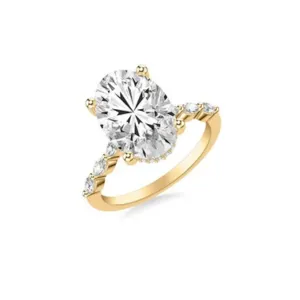
Carat weight is one of the Four Cs of diamond quality, but it is important to remember that carat describes a diamond's weight rather than its visible size. Shape and proportion affect how that weight is distributed and, as a result, how large the diamond looks when viewed from above.
Elongated diamonds such as oval, pear and marquise shapes tend to provide greater visible surface area than a round diamond of the same carat weight. Emerald and elongated radiant cuts can also create a substantial presence on the hand because of their proportions.
Length to width ratio is another factor to consider with fancy shaped diamonds. A longer ratio creates a more elongated silhouette, while a shorter ratio creates a fuller shape. Personal preference matters here, and comparing stones side by side can help you see how seemingly small differences in proportion affect the overall appearance.
Shape can influence price as well. Cutting a Round Brilliant requires the removal of a significant portion of the original rough diamond. Fancy shapes can retain more of that rough material, which can sometimes allow shoppers to achieve a larger looking diamond at a different price point than a comparable round.
Brilliant Cuts Versus Step Cuts
One useful way to narrow your choices is to consider whether you prefer the appearance of a brilliant cut or a step cut.
Round, oval, pear, cushion, princess and radiant diamonds use faceting designed to create significant brilliance and light play. These shapes are well suited to someone who places sparkle high on their list of priorities.
Emerald and Asscher cuts create a different effect. Their larger, parallel step facets emphasize clean lines, transparency and broad flashes of light. Because the internal characteristics of the diamond can be easier to see, clarity and color deserve careful consideration when selecting these shapes.
Neither approach is inherently better. They simply create different visual effects. Seeing the two styles next to each other can quickly reveal whether you are more drawn to lively brilliance or the structured appearance of step cut facets.
Consider the Engagement Ring Setting
Diamond shape and setting should be considered together. The setting influences the overall look of the engagement ring, but it also helps protect and secure the center stone.
Round and cushion diamonds offer soft outlines that work with a wide variety of settings. Elongated shapes such as oval and emerald can become the focal point of a classic solitaire or pair beautifully with additional diamonds. Radiant cuts provide trimmed corners, while pear, marquise and princess diamonds have points or corners that require thoughtful protection.
At DeScenza Diamonds, our engagement ring selection includes a variety of styles for couples looking for a setting that complements their preferred diamond shape. We also offer custom jewelry design for those who have a particular combination of diamond and setting in mind.
Look Beyond Shape to the Four Cs
Shape may be one of the first characteristics you notice, but it is only one part of choosing a diamond. The Four Cs of cut, color, clarity and carat weight provide the foundation for assessing diamond quality and value.
Cut describes how a diamond's facets interact with light and has an important influence on brilliance. Color evaluates the presence or absence of color within a diamond, while clarity considers internal inclusions and external blemishes. Carat weight measures the diamond's weight.
These characteristics work together rather than independently. If visible size is a priority, for example, choosing an elongated shape may allow you to approach carat weight differently. If you prefer an emerald or Asscher cut, clarity may become particularly noticeable because of the open step facets.
Our diamond specialists enjoy helping customers understand these differences so they can decide which characteristics matter most to them rather than simply focusing on a single grade or number.
Choosing the Diamond Shape That Feels Right
Ultimately, there is no single diamond shape that is right for every engagement ring. A Round Brilliant may appeal to someone who loves timeless sparkle, while an oval offers brilliant faceting with an elongated silhouette. Emerald and Asscher cuts provide clean lines and broad flashes of light, cushion cuts bring softer vintage influenced character, and radiant, pear, marquise and princess diamonds offer their own distinctive combinations of shape and brilliance.
The best way to choose is to consider the appearance you are drawn to, how you plan to wear your ring and how shape works alongside the Four Cs, your setting and your budget. At DeScenza Diamonds, we believe choosing a diamond should be an educational and personal process. Visit us in Boston, Framingham, Hingham or Peabody to compare diamond shapes in person, speak with one of our diamond specialists and find the engagement ring that feels right for you.